
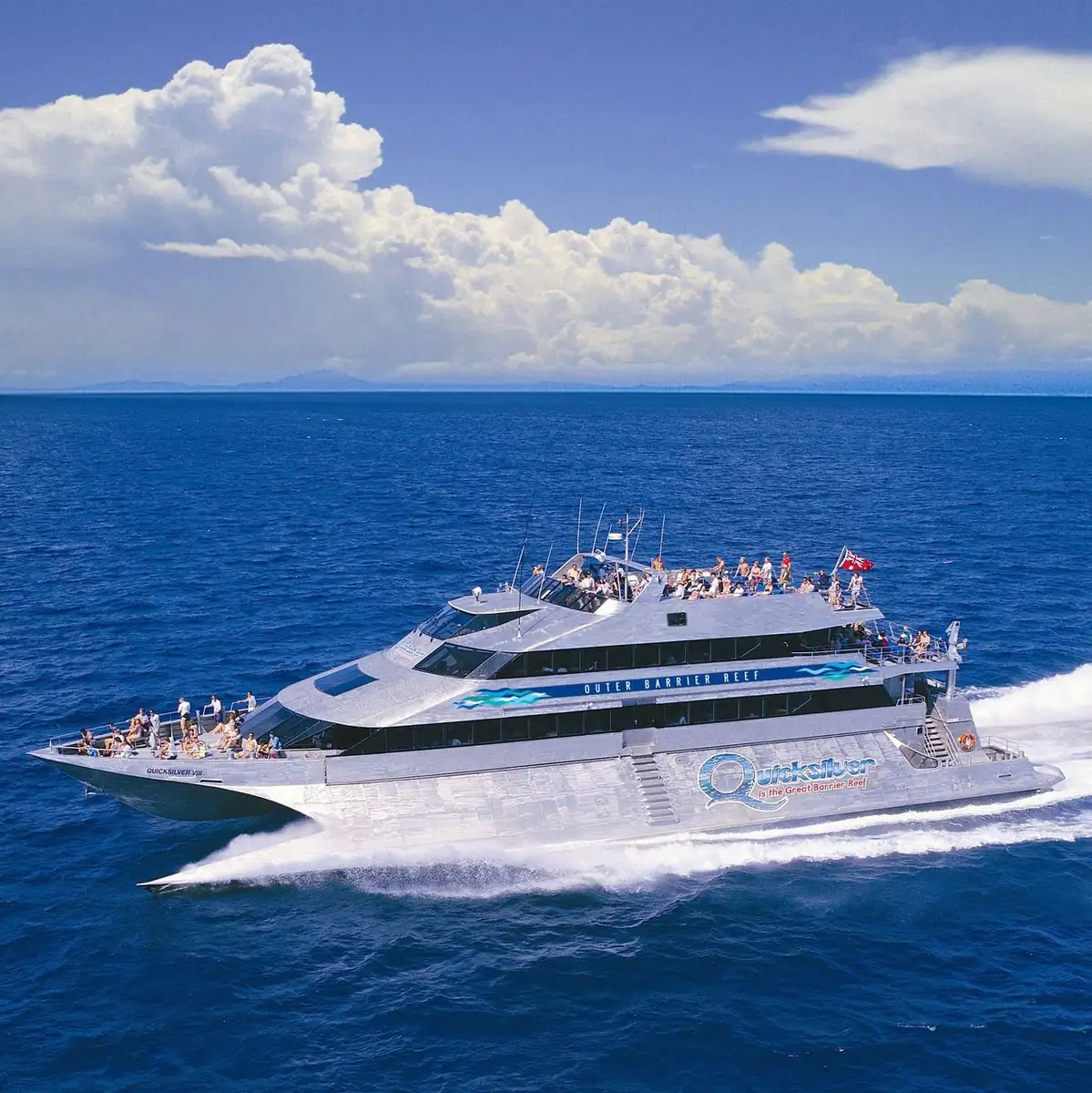
Can Non-Swimmers Actually See The Reef In 2026? 5 Amazing Dry Ways To Experience The Great Barrier Reef is a question I get asked almost every week – and the simple answer is – yeah, you totally can. You don’t need to break out the snorkel gear or scuba kit, or be a strong swimmer, to be blown away by the sheer scale, colour and marine life of the Great Barrier Reef. I’m Paul, and after years of running reef trips out of Cairns, Port Douglas and the Whitsundays, I’ve seen loads of travellers stay bone-dry and still walk away utterly gobsmacked.
The Great Barrier Reef is pretty epic – it stretches about 2,300 kilometres along the coast of Queensland and covers a massive 344,400 square kilometres, with nearly 3,000 individual reef sites and loads of coral cays to choose from. That scale matters – it means there are loads of ways to experience the coral gardens, tropical fish and intricate coral formations – & not all of them involve getting wet.
If you’re nervous about currents, stingers or just can’t stand saltwater in your ears, don’t panic. You’ve got options.
Drying Your Eyes: Standing On The Outer Reef & Gazing At Coral
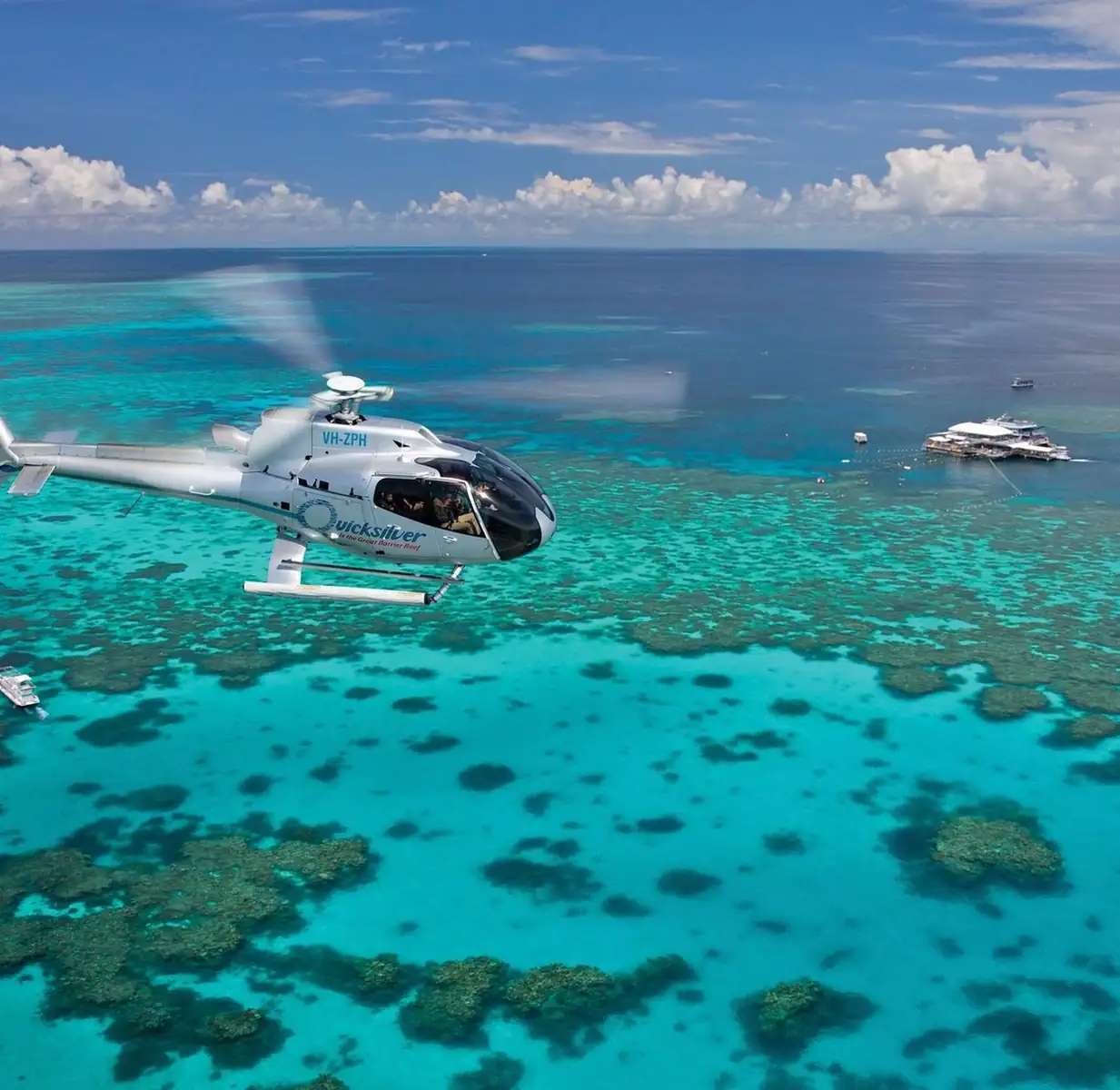
When we head to the Outer Reef from Cairns or Port Douglas, we’re heading to the deeper, clearer bits like Agincourt Reef or parts of the Ribbon Reef system. These reef sites are way out to sea, often near the edge of the Coral Sea trench, where the visibility can be seriously good.
Thanks to the latest reef pontoons, this whole environment is now accessible to everyone. Operators just anchor these huge platforms right above the coral gardens and marine life hotspots. From there, you can explore safely without needing to learn how to snorkel or get scuba certified. I mean, we’ve got two great examples of this – The Reef Magic Pontoon and the Quicksilver Pontoon. Both offer loads of reef activities without requiring a stroke.
Deep Dive – Diving In From An Underwater Observatory
An underwater observatory is basically a viewing chamber that’s sealed tight and built just below the waterline. You just walk down the stairs into a nice, cool, stable room with panoramic windows that look straight onto the coral formations and all the tropical fish swimming by.
It’s one of the most underrated experiences for non-swimmers – & I reckon it’s a real gem.
You just sit – you observe – you listen to some commentary from a marine biologist explaining all about coral biology, reef conservation & how reef protection programs are going in 2026. And best of all, you don’t need to get wet.
Glass-Bottom Boats & Semi-Submersibles
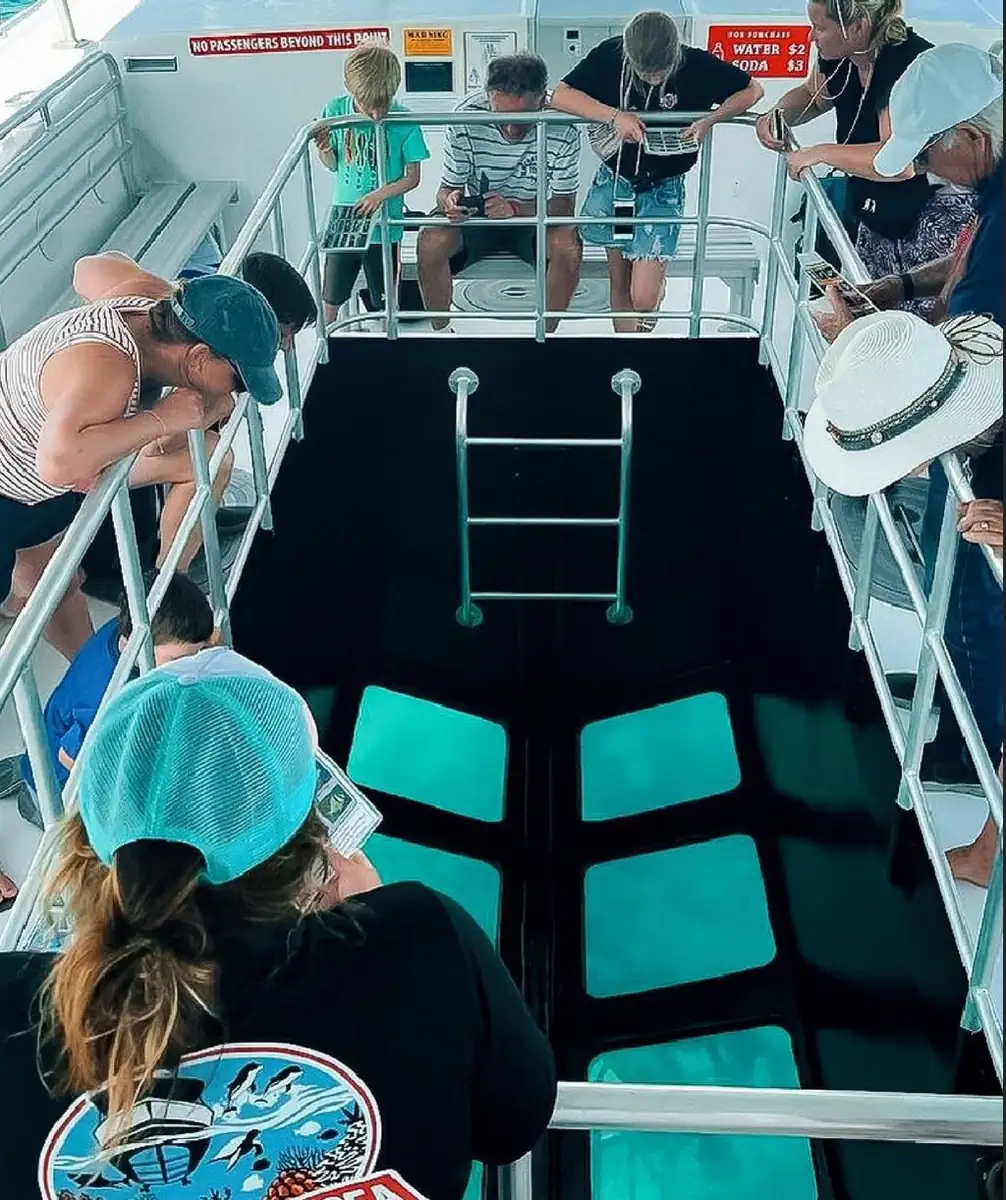
When some travellers just can’t shake the feeling of being out of their depth in open water, I usually suggest this next option: glass-bottom boats or semi-submersibles. Because they’re dry, you can get up close and personal with the reef without getting queasy.
Peering out through viewing panels on a glass-bottom boat lets you see all sorts of amazing things. As you drift over coral gardens, the coral formations, fish and even the occasional shark swim lazily across sand – it’s like the reef is passing right beneath your feet.
A semi-submersible works slightly differently: it takes you below the waterline but keeps you safe and dry inside a sealed cabin. The big windows on either side give you this really immersive experience without actually getting your feet wet.
You can find these sorts of boats on some of the Outer Reef pontoons run by operators like Reef Magic Cruises, Sunlover Cruises, Great Adventures, and Quicksilver Cruises. Many of the Reef Experience packages that include departures from Cairns and Port Douglas feature these boats as well.
And every time someone tells me they can’t swim, the first thing that comes to mind is glass-bottom boats.
Scenic Helicopter Flights
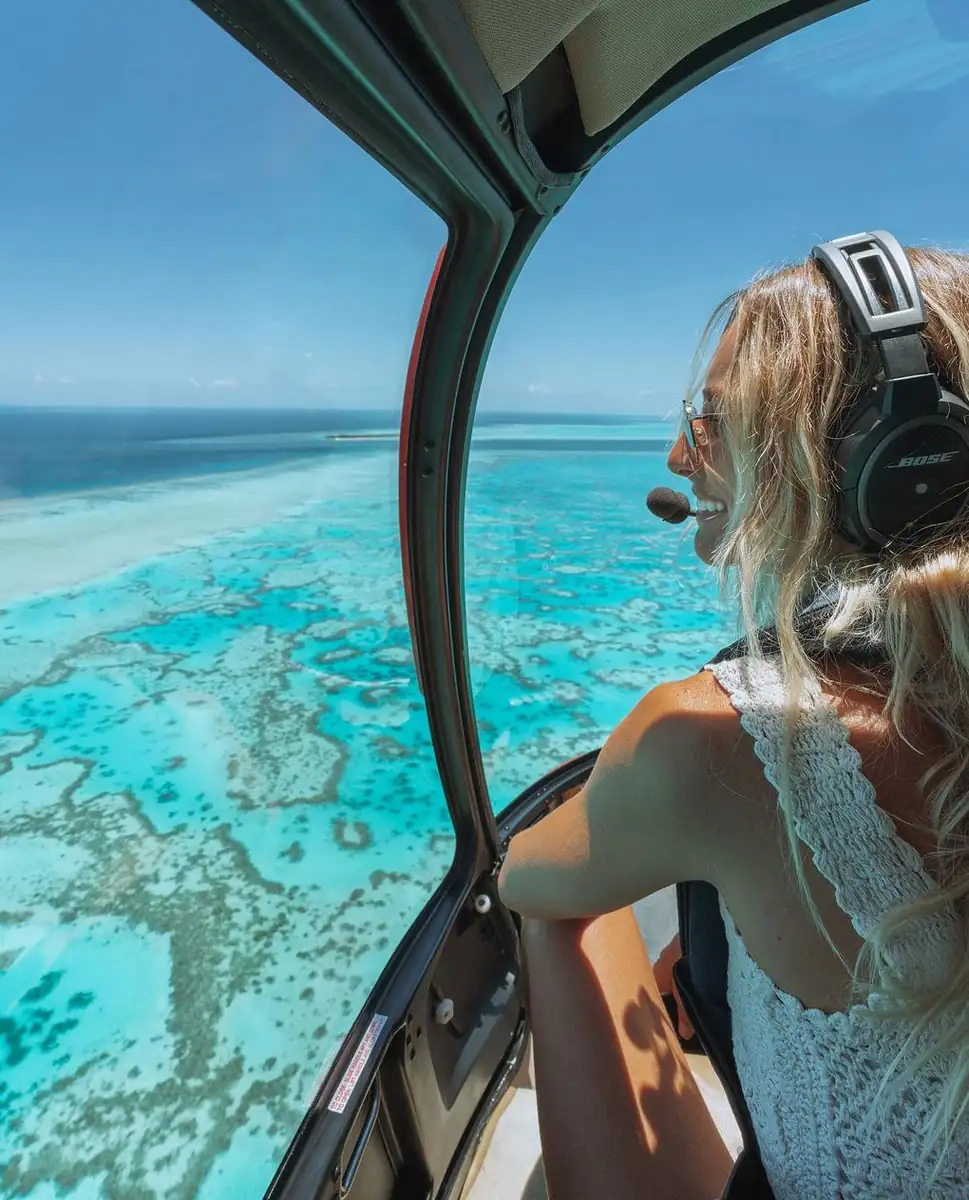
If flying high above the water is more your thing than bobbing up and down on the ocean, then a Scenic Helicopter Flight will blow your mind. From up in the air, all those coral cays stitched into the turquoise water like some fantastic underwater embroidery. You see the reef just drop off towards the sea, and you get this proper sense of just how huge and sprawling the whole system is.
You can take off from Cairns, Hamilton Island, or even join up with Cruise Whitsundays – some of them actually bundle in a short scenic cruise transfer with a chopper ride. And, in 2026, you can expect to pay somewhere between AUD $300 and AUD $600, depending on how long you’re flying for.
Admittedly, it’s not cheap, but the view from up high is like nothing a boat trip gives you.
Funnily enough, I’ve had people say that this was almost as memorable as the Tangalooma Wrecks Adventure Tour – not because the locations are similar, but because the aerial stuff can get stuck in your brain in a way that you might not expect.
Coral Cay Island Access: Reef From The Shore
There are some coral cay islands where you can actually get up close to the reef without having to go out to sea. Places like Green Island, Fitzroy Island, and Low Isles are all accessible by ferry from Cairns and Port Douglas, and parts of the Bunker group down south are similar. On calm days, you can even see the coral right from the shore.
Normally, you’ll be able to join a glass-bottom boat tour from one of the island resorts or day-trip operators, which lets you see the reef from the comfort of dry land. These islands are not just sandy blobs – they’re properly set up with facilities, guides, video and slideshow presentations on all sorts of things like coral bleaching, reef restoration, and what the conservation people are doing.
What About Helmet Diving & Sea Walking?
You might come across Helmet Diving or Sea Walking, touted alongside snorkel trips and scuba diving excursions.
These activities let you walk on the seabed wearing a breathing helmet supplied with air. You don’t need any scuba diving training, and it’s not necessary to be a strong swimmer. Although you will still be underwater, you won’t have to worry about swimming long distances.
If being completely dry is your top priority, then these aren’t for you. If you’re comfortable with the idea of getting submerged but don’t feel confident in the water, they might just be what you’re looking for.
Operators supervise closely, safety ropes are set up, and you’ll get a proper briefing on what to expect. Still, it’s not like you’re sitting on a beach somewhere – you’ll be getting your feet wet.
Safety, Stingers And The Weather Reality
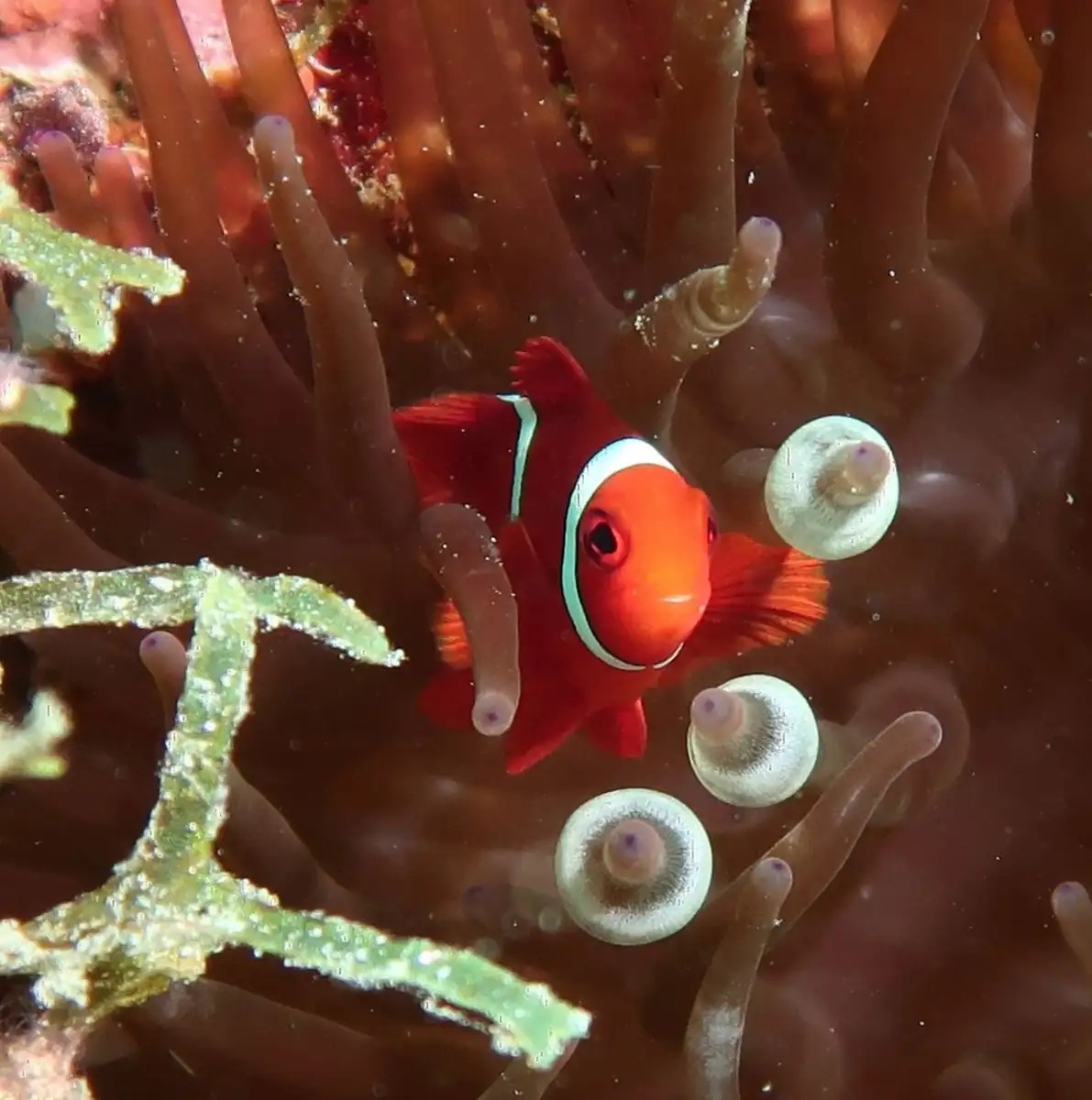
Now let’s not sugar coat it – northern Queensland has some pretty tough conditions to contend with.
During the wet season (Nov to May), you’ve got marine stingers like box jellyfish to worry about. Swimmers will need to wear a stinger suit during that time, while non-swimmers on pontoons or in a boat are unlikely to be exposed to that risk. But of course weather is always a factor too.
Storms and strong winds during the wet season can cause Outer Reef trips to be cancelled or require adjustments to their plans. Operators keep a close eye on the weather station data before making any decisions.
If you’re looking for calmer seas and clearer visibility, June to October is usually your best bet. However, it’s a bit of a busy time for reef travel.
One thing I always tell people is that being flexible makes reef travel a heck of a lot smoother.
Coral Bleaching & Conservation In 2026
Sadly, coral bleaching has had a pretty big impact on the reef over the past decade. Rising sea temperatures have put stress on the coral and affected certain areas more than others.
Now, let’s keep things in perspective. The Great Barrier Reef is an enormous area – it’s not all the same. Conditions vary dramatically from one spot to the next, and depth is a big factor, too.
But here’s the good news: some areas are actually recovering quite well. And more and more reef operators are starting to take a really active role in conservation and reef protection initiatives. You’ll see a lot of reef restoration projects and ongoing research happening.
When you book with a responsible operator like Great Barrier Reef Tours or an established reef business, a portion of your ticket will actually go towards supporting marine management and conservation work.
Cultural Heritage & Indigenous History
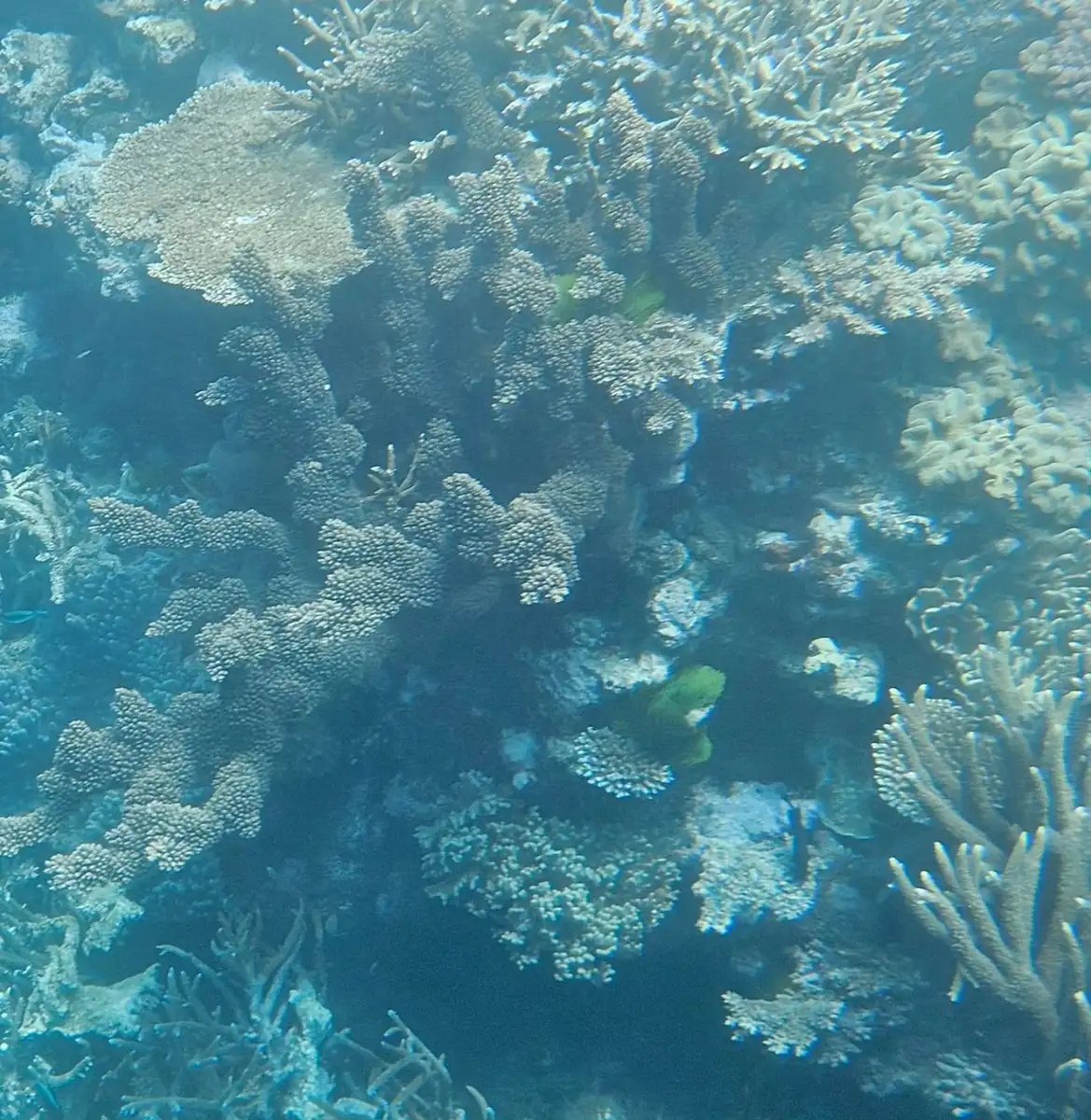
The reef is more than just marine life, you know? It’s also part of the ‘Sea Country’ for the indigenous groups along the Queensland coast.
Indigenous history ties the reef systems, coral cays and marine ecosystems all together. Any time you’re out on the reef, it’s worth respecting that cultural heritage and learning a bit more about it.
So when you’re out on a reef trip, ask the operator how they acknowledge the traditional owners and whether they incorporate cultural context into their commentary.
Choosing The Right Experience For You
The truth is, different people want different things from their travels – whether that’s a chance to relax in a stable environment or the thrill of exploring the wild.
If you’re the kind of person who prefers a solid base under your feet and a few comforts to fall back on, then an outer reef pontoon with an underwater observatory is probably going to be right up your alley.
If, on the other hand, you’re not a big fan of the open ocean and would prefer to stick to dry land, you might want to consider island-based access from somewhere like Green Island or Fitzroy Island – it’s a more contained experience and still lets you see all the amazing marine life.
Scenic flights or helicopter tours are another great option if you’re looking to capture some impressive photos or just want to get a feel for the sheer scale of the reef.
If you’re doing your research online, there’s one brand that can make things a lot easier: Great Barrier Reef Tours aggregates departures from Cairns, Port Douglas, and the Whitsundays, which makes it easier to compare and choose the right tour for you.
And there’s one other thing that often comes up in conversations about the reef – the Tangalooma Wrecks Adventure Tour, which offers a completely different kind of experience to the usual snorkelling or diving trips – but still lets you see the marine life up close.
Final Word From Paul
The thing people often forget is that you don’t need to be a seasoned snorkeller or diver to experience the Great Barrier Reef – and you certainly don’t need to be brave or comfortable in deep water. There are loads of other ways to see the reef and its amazing marine life – like on a glass bottom boat, a semi-submersible or even from the comfort of a helicopter seat.
The Great Barrier Reef is a massive, complex, and very much alive ecosystem, so there’s always going to be something new to see and experience.
When you’re planning your trip, make sure to take the weather into account – some parts of the reef are only accessible at certain times of year. Also, look for operators who are responsible and take care of the reef – and if you’re not a fan of getting wet, don’t worry – there are loads of dry viewing options.
No matter how you see the reef, you’ll still get to see the incredible fish, coral formations and understand why this natural wonder is so important.
FAQ
Do you have to swim in order to go on a reef day trip?
No, not at all. A lot of the Outer Reef departures offer dry viewing options that include underwater observatories, glass-bottom boats and semi-submersible rides – so you can still see all the action without getting wet.
Can you see the colourful coral without snorkelling?
Absolutely. If you’re not keen on snorkelling or just want to stick to dry land, there are loads of glass-bottom vessels and underwater viewing chambers that will let you see all the coral formations and tropical fish – right from the comfort of a dry seat.
Is this sort of thing suitable for older travellers?
Yes, it is, especially if you’re looking for a pontoon-based platform that’s stable and has plenty of seating areas – perfect for anyone who’s not as mobile as they used to be. Just make sure to confirm the mobility requirements with the operator before you book your trip.
What happens if the weather is rubbish?
Operators take the weather very seriously and will always check forecasts and weather station reports before setting off. If it’s not safe to visit the reef, they’ll either cancel the trip or find a different location that’s safe to visit.
Does tourism help protect the reef?
It can – and it should – and all the reputable operators in the area are actively involved in conservation efforts, reef restoration and monitoring programmes – so your visit can actually help to support long-term reef protection.