

Ayers Rock, also known as Uluru, is an amazing natural wonder and an Aussie icon in Central Australia. Located in the middle of the Northern Territory in Uluru-Kata Tjuta National Park, this sacred rock draws visitors from all over the world. For the Aṉangu people, the traditional owners of the land, it’s a very special place. Many people ask if you can walk around Uluru, and in this post, we’ll cover the options, respect for Aboriginal culture and how to experience this beauty.
For a more in-depth experience, join one of the many Uluru tours, which will give you cultural knowledge and a different perspective on this sacred site.
The Meaning of Uluru
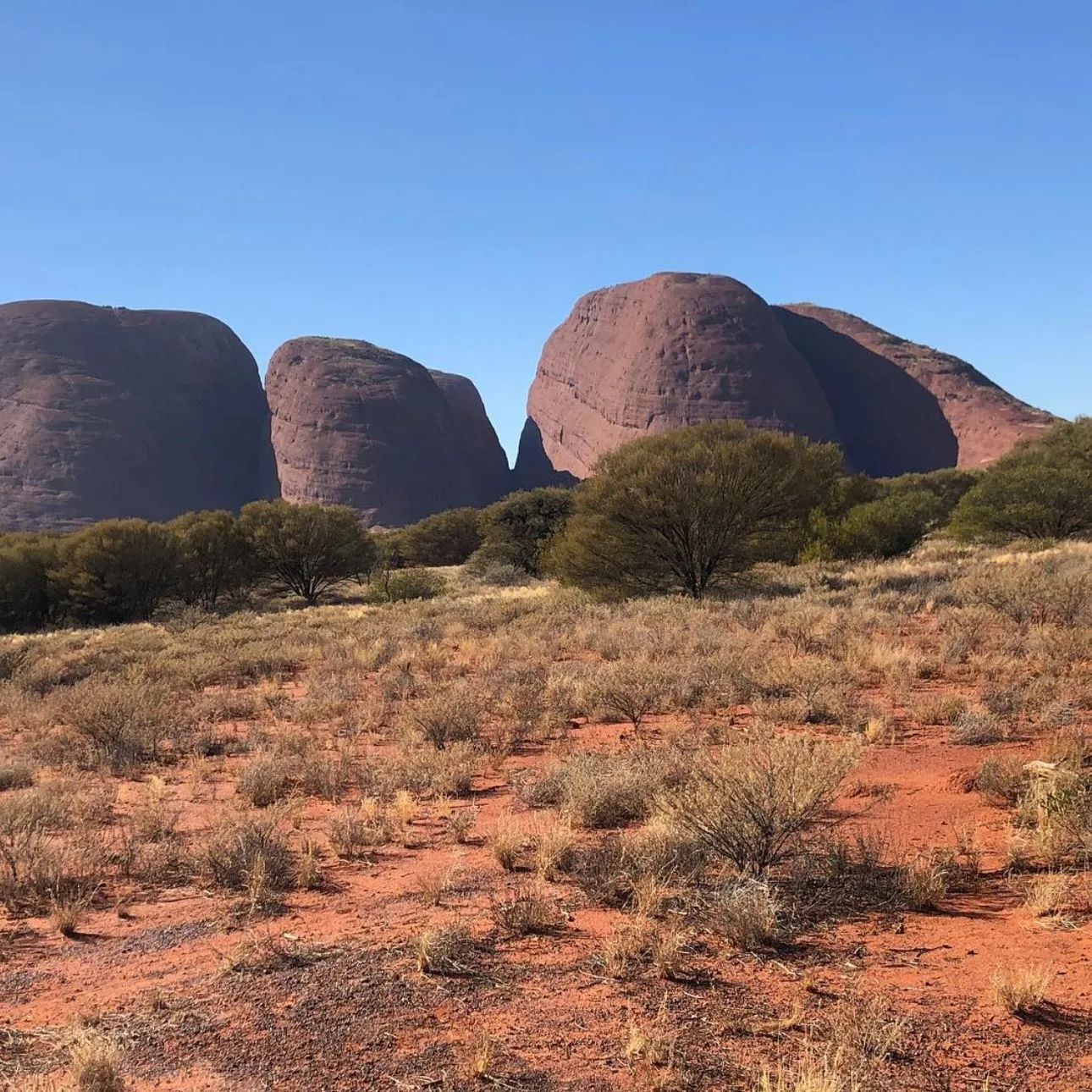

Uluru is not just a natural wonder; it’s a very sacred rock to the Aboriginal people, especially the Aṉangu. With its spiritual significance, Uluru is a living embodiment of creation stories, Dreamtime and the connection between the Aṉangu people and the land. Uluru, along with Kata Tjuta (also known as the Olgas) and Talinguru Nyakunytjaku, will give you a deep insight into Aboriginal culture and the natural beauty of the area.
Can you walk around Uluru?
Yes, you can walk around Uluru, but you need to approach it with respect for the land and its culture. The 10.6km Uluru Base Walk allows you to walk around the rock while staying on the designated walking track, which is part of the ongoing management of the sacred site. The walk takes around 3.5 to 4 hours to complete, and you’ll see the rock change colour and get to see it from different angles.
Popular Walking Trails
Uluru Base Walk

Easy to moderate. The most popular way to get up close to Uluru. The Uluru Base is full of cultural significance, and the walk passes waterholes, Aboriginal rock art and cave-like formations. The Mala Walk and Kuniya Walk are part of this circuit and take you through areas of great importance to the Aṉangu people. From the Mala Carpark this circuit takes you around the whole base of the rock and has views of the rock and interpretive signage to learn about the Aboriginal history.
Kuniya Walk
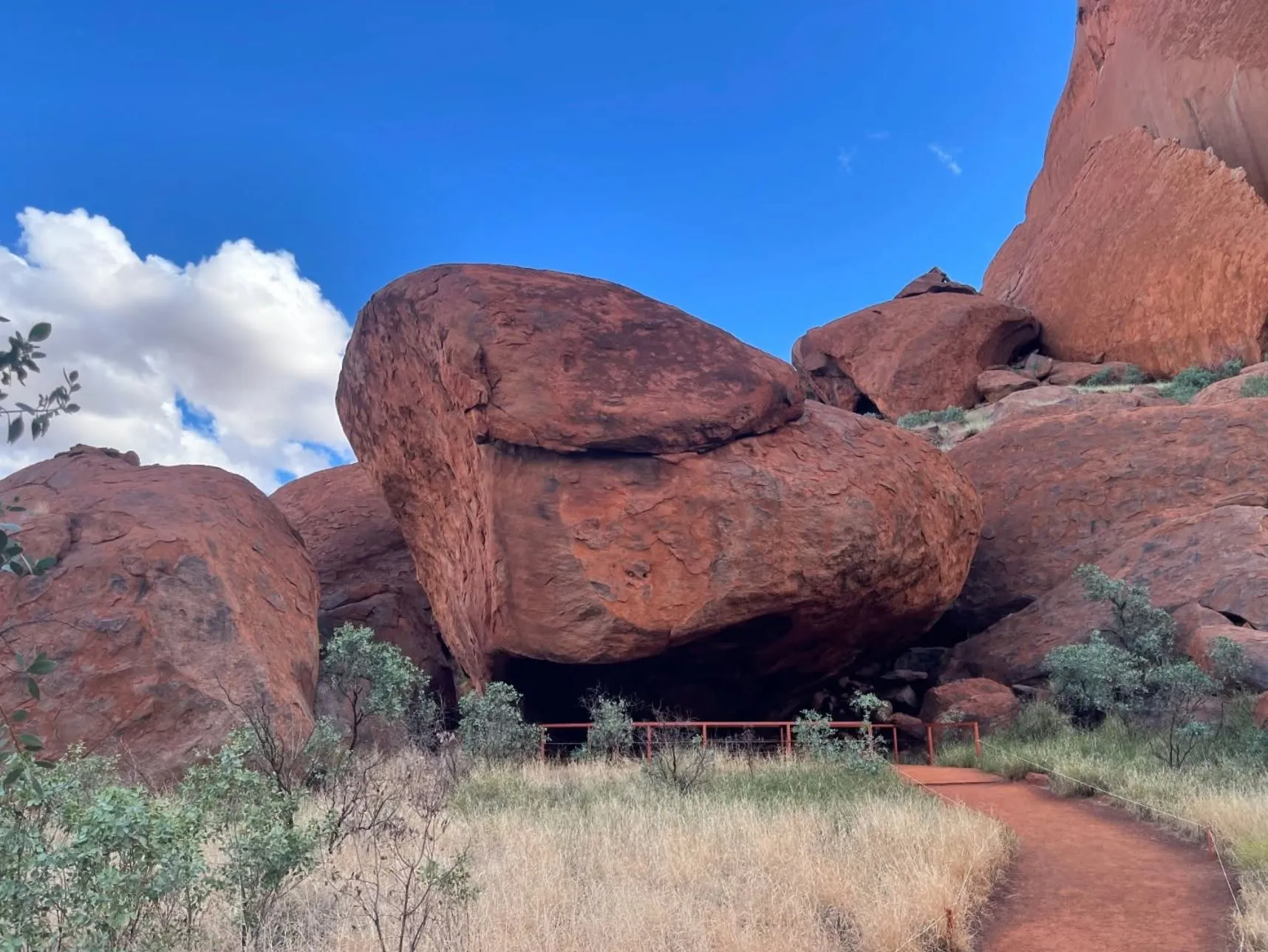
The Kuniya Walk is a shorter walk, 1km, to the Mutitjulu Waterhole. This waterhole is culturally significant and a great place to learn about Aboriginal rock art and creation stories. It’s wheelchair accessible, so it’s a great option if you’re looking for a more accessible path.
Walpa Gorge Walk
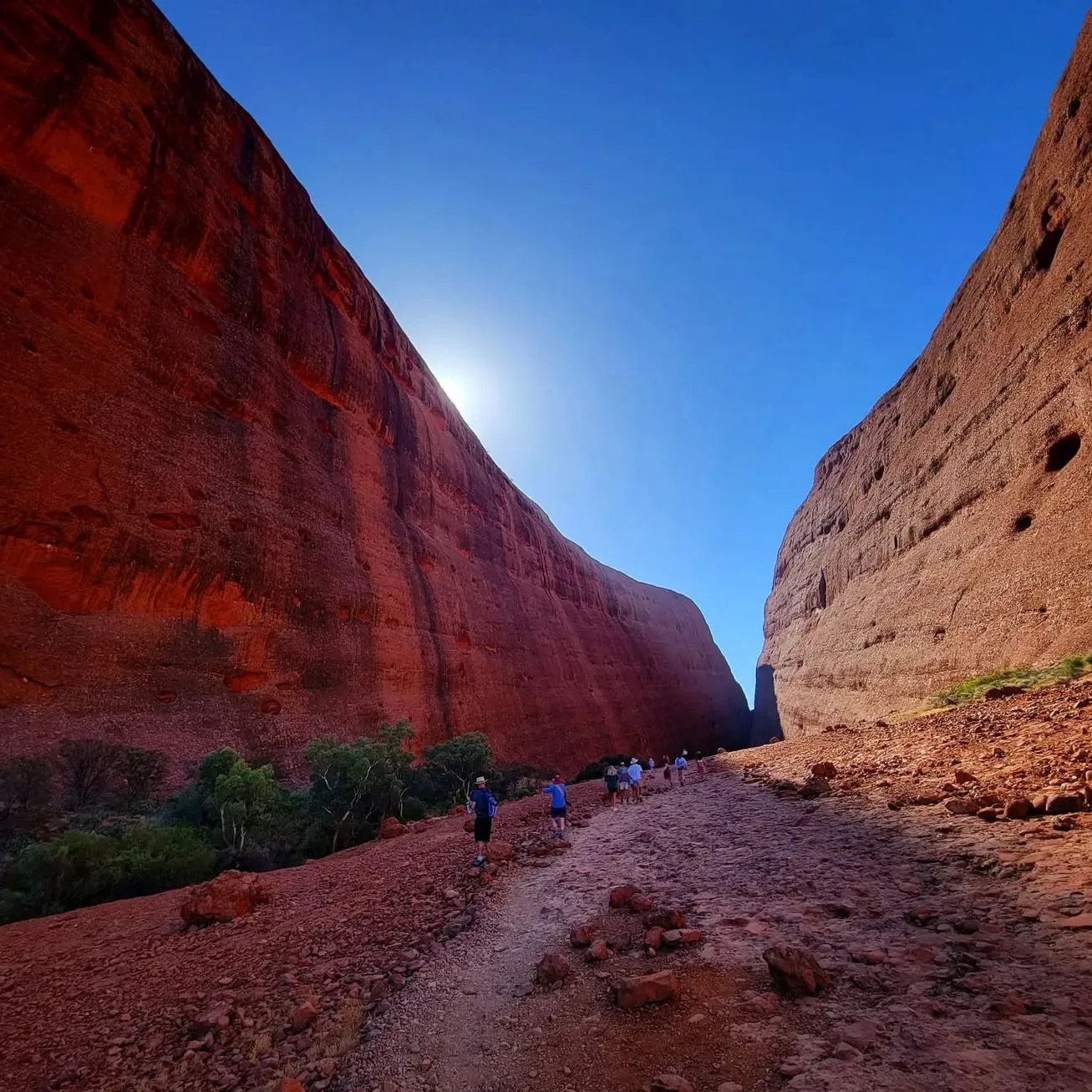
Located in the Kata Tjuta section of the national park, the Walpa Gorge Walk is another must-do walk. It takes you into the heart of the Ochre rock formations and has great views of the desert landscape. 2.6km return, you’ll see the rock walls, native grasses, hidden flora and fauna of this ancient land.
Talinguru Nyakunytjaku
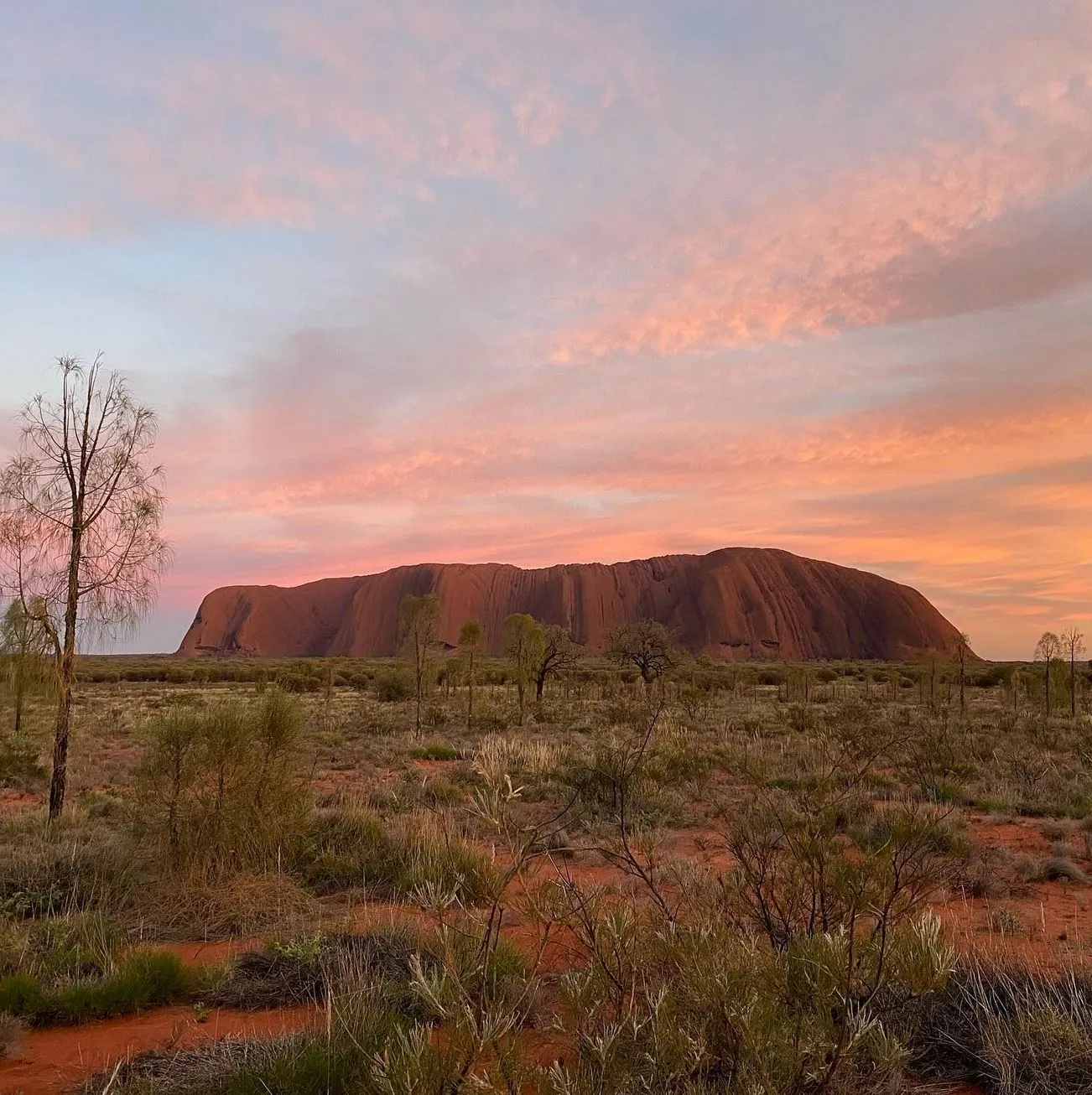
For the best views of Uluru and Kata Tjuta, head to the Talinguru Nyakunytjaku lookout. This spot has great views of the rock and the surrounding wilderness and is a great place to take photos and reflect on the cultural and natural significance of the area.
When to Walk Around Uluru?
Central Australia is hot during the day, so it’s best to walk around Uluru during the cooler parts of the day. Early morning and late afternoon are the best times to walk and avoid the midday heat. Sunrise and sunset walks are the most popular as you can capture the landscape and the changing colours of the rock. Make sure to bring plenty of water as the temperature can rise quickly. A water bottle is a must. We recommend to drink up to 3 litres of water during your walk.
Respect the Sacred Land
When walking around Uluru, remember the significance of the site to the Aboriginal people. The Aṉangu, the traditional landowners, have asked visitors not to climb Uluru for many years, and since 2019, the climb is officially closed and all visitors are encouraged to experience the rock in a more respectful way.
Always stay on the walking trails and accessible paths that have been created to protect the environment and its fragile ecosystems. Don’t disturb wildlife or damage the native flora. The Mala Puta and other areas around the base are full of cultural heritage, ancient caves and Aboriginal rock art sites to be treated with respect.
Enhance Your Experience

Want to get closer to the land? Guided walking tours are available. Uluru-Kata Tjuta National Park has a range of cultural experiences, including Aboriginal cultural tours where you can hear the creation stories of the Aṉangu people. These tours will add to your experience and give you a deeper understanding of the area.
You can also do Uluru Segway Tours or Uluru Camel Tours and explore the area while learning about the native grasses and acacia woodlands.
Conclusion
Yes, walking around Uluru is a must-do when you visit the Northern Territory. The Uluru Base Walk and other walks like the Mala Walks, Kuniya Walk and Walpa Gorge are a respectful and immersive way to experience this sacred site. Always carry enough water, wear comfortable shoes and stay on track to protect the land and the cultural significance of this special place.
FAQ
No, climbing Uluru is no longer permitted for cultural reasons.
The Uluru Base Walk is a 10.6km loop that takes about 3.5 to 4 hours to do.
Yes, the Kuniya Walk is wheelchair accessible and easy to track.
Bring enough water (at least 3 litres), a hat, sunscreen and comfortable shoes. Also, wear desert-appropriate clothing.
Yes, guided tours are available, including walking tours, Uluru Segway Tours and Uluru Camel Tours.